
Common Brushing Mistakes That Damage Enamel and Gums
The most common tooth-brushing mistakes that damage enamel and gums, and how to fix them with a simple, effective technique.
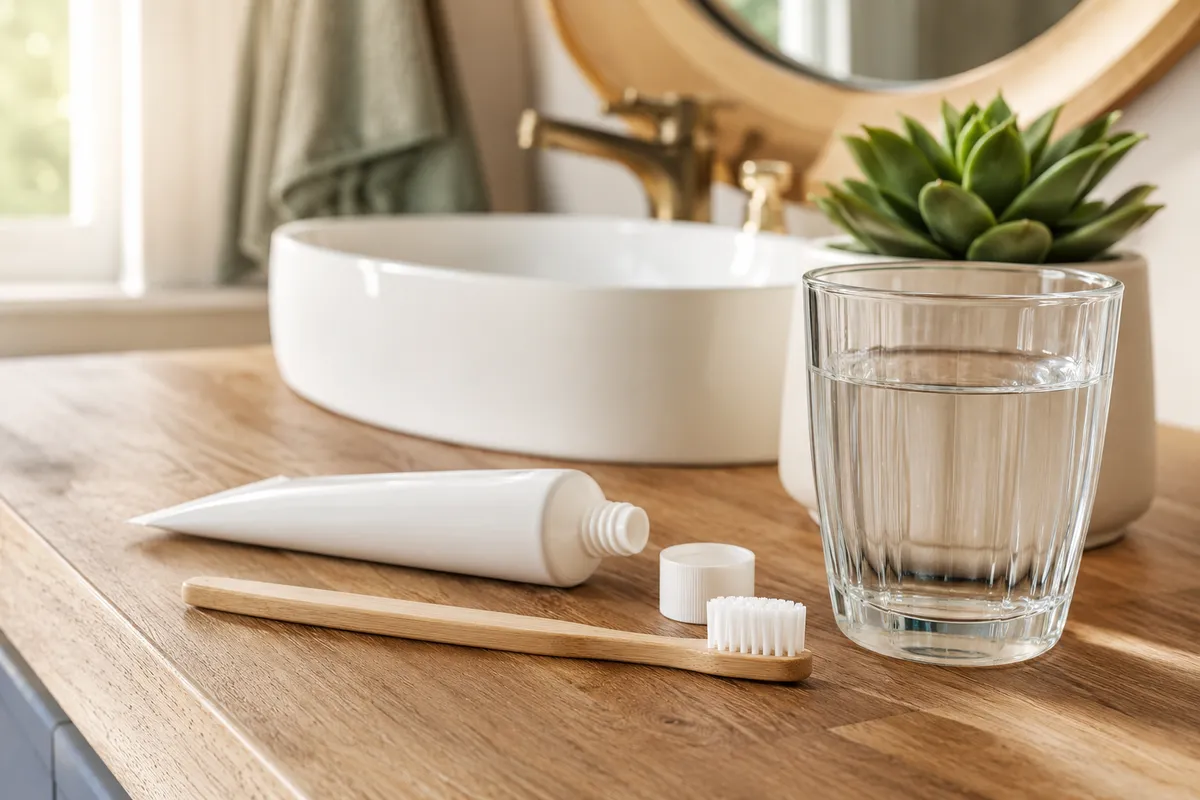
Brushing your teeth seems simple, and it is, but there are small habits we repeat without noticing that, over the years, wear down enamel or irritate the gums. Brushing harder does not mean brushing better. Often it is exactly the opposite.
In this article we go through the most common tooth-brushing mistakes and how to fix them, so you protect your enamel and gums without overcomplicating your routine.
This guide is informational. If you notice bleeding when brushing, sensitivity, or receding gums, an in-clinic check-up is a good idea to rule out other causes. Technique helps, but it does not replace diagnosis.
Why technique matters more than force
Enamel is the hardest tissue in the body, but it has one weak point: it does not regenerate. Once it wears down, it does not grow back. Gums, in turn, are delicate and recede if you treat them roughly every day.
That is why the goal of brushing is not to “scrub hard” but to remove plaque from every surface with gentle, steady movements. Plaque comes off with technique, not with force.
The most common brushing mistakes
These are the mistakes we see most in the clinic, and how to fix them:
- Brushing too hard. Pressing the brush wears enamel and makes gums recede. Fix: hold the brush gently, almost like a pen, and let the bristles do the work.
- Using hard bristles. Hard bristles do not clean more, they only damage more. Fix: choose a soft-bristled brush.
- Brushing right after something acidic. After juice, soda, or acidic fruit, enamel is softer (here is which foods and drinks affect enamel most). Fix: wait 30 to 60 minutes and rinse with water in the meantime.
- Sawing side to side. Hard horizontal strokes carve small grooves at the neck of the tooth. Fix: use gentle movements, in circles or from the gum toward the tooth.
- Spending less than two minutes. The American Dental Association (ADA) recommends brushing for two minutes, twice a day, but in practice many people fall short. Fix: split your mouth into four zones and give each about 30 seconds, so you reach two minutes without watching the clock.
- Forgetting the gum line and the tongue. Plaque builds up right where the tooth meets the gum. Fix: tilt the brush toward the gum and also brush your tongue.
- Not cleaning between teeth. The brush cannot reach between teeth, where many cavities and gum inflammation start. Fix: use floss or interdental brushes once a day.
- Not replacing your brush in time. A brush with frayed bristles cleans much worse. Fix: replace it every 3 months, or sooner if the bristles splay out.
- Rinsing heavily after toothpaste. Rinsing thoroughly washes away the fluoride that protects your teeth. Fix: spit out the excess, but don’t rinse with water right after, so the fluoride keeps working.
Soft or hard bristles, manual or electric
| Best choice for most people | Why | |
|---|---|---|
| Bristles | Soft | Clean just as well and protect enamel and gums |
| Brush type | Manual or electric, both valid | Electric makes technique easier, but a well-used manual works |
| Head | Small | Reaches the back molars and tricky spots better |
| Movement | Gentle, no pressure | More pressure does not mean more cleaning |
The takeaway: what matters most is not the brush, but how you use it and how consistent you are.
How to brush well, step by step
A simple technique you can apply starting today:
- Use a pea-sized amount of fluoride toothpaste (for adults).
- Place the brush tilted toward the gum line, at about a 45-degree angle.
- Use gentle, short movements, in circles or from the gum toward the edge of the tooth.
- Cover every surface: outer, inner, and the chewing surface.
- Brush your tongue to reduce bacteria and bad breath.
- Spit out the excess toothpaste, but avoid rinsing thoroughly with water.
- Once a day, clean between your teeth with floss or interdental brushes.
In summary: brush twice a day, two minutes, with a soft-bristled brush and fluoride toothpaste. Use gentle movements toward the gum, clean between your teeth once a day, and don’t rinse heavily afterward so the fluoride keeps protecting you.
Do your gums bleed or your teeth feel sensitive when you brush? At Odontotec Dental Clinic (Reus) we review your technique and the health of your gums, and show you how to care for them in your specific case.
Book a dental cleaning or call 615 977 616.
Common mistakes by situation
Not every mouth is the same, and some mistakes matter more in specific cases:
- If your gums are sensitive or receding: pressure and hard bristles make recession worse. Use a soft-bristled brush or an electric one with a pressure sensor, and check that you are not “scrubbing” the gum line.
- If you wear braces: food builds up around the brackets and is harder to clean. Spend more time on the gum line and use interdental brushes or a water flosser to reach where a normal brush cannot.
- If you brush a child’s teeth: use a rice-grain amount of toothpaste up to age 3, and a pea-sized amount after that. Supervise brushing until they have the dexterity to do it well, usually around age 7 to 8.
- If you feel sensitivity to cold or when brushing: don’t skip the area, but clean it gently and with a toothpaste for sensitive teeth. If the discomfort continues, a check-up is a good idea to rule out other causes, such as clenching your teeth while you sleep.
Frequently asked questions
How many times a day should you brush your teeth?
As a general recommendation, twice a day for two minutes, always with fluoride toothpaste. The most important brushing is before bed, when saliva drops and plaque acts for more hours.
Is an electric toothbrush better than a manual one?
Both clean well if the technique is correct. An electric brush can make things easier, especially if you tend to press too hard or struggle to reach the molars, but a well-used manual brush is just as valid.
Why do my gums bleed when I brush?
Bleeding usually signals inflammation from plaque buildup, not that you are brushing too much. Instead of avoiding the area, clean it more gently and thoroughly. If the bleeding continues for several days, a check-up is a good idea.
Do I need to use mouthwash?
It is not essential for everyone. Brushing and cleaning between your teeth are the foundation. Some mouthwashes help in specific situations, but it is best to let your dentist recommend one for your case.
In short
Brushing too hard, using hard bristles, and skipping cleaning between teeth are the mistakes that most damage enamel and gums. Swapping them for a gentle, consistent technique protects your smile for many years.
At Odontotec Dental Clinic in Reus, we look after your case from start to finish, always with the same professional, and help you keep a routine that works for you. If you want to review your technique or the health of your gums at one of our visits, we will be glad to help.
Sources: general oral hygiene recommendations from the American Dental Association (ADA) and the Spanish General Council of Dentists. This content is informational and does not replace professional diagnosis.